

In the technology and industrial sectors, equipment reliability is not a luxury—it is a fundamental requirement. Whether you operate manufacturing machinery, data center infrastructure, or precision medical devices, the performance of your equipment directly impacts productivity, safety, and profitability. While many factors contribute to reliability, few are as consequential as the quality of the components that comprise the equipment. Understanding how high-quality components improve reliability is essential for engineers, procurement specialists, and operations managers seeking to maximize asset performance and minimize costly downtime.
The Foundation of Reliability: Why Components Matter
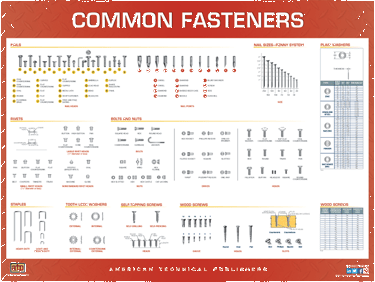
Every piece of equipment, regardless of its complexity, is an assembly of individual components. Resistors, capacitors, sensors, bearings, connectors, and power supplies all play specific roles in the system’s overall function. When a single component fails, the consequences can cascade through the entire system, leading to unplanned outages, safety hazards, or catastrophic equipment damage. This principle, often referred to as the “weakest link” effect, underscores why component quality is the cornerstone of equipment reliability.
High-quality components are manufactured to tighter tolerances, undergo rigorous testing, and are built from superior materials. These attributes translate directly into predictable performance, longer operational lifespans, and reduced failure rates. Conversely, inferior components may function adequately in the short term but often exhibit accelerated degradation, unpredictable failure modes, and poor performance under stress.
Key Ways High-Quality Components Enhance Reliability
1. Superior Material Composition and Manufacturing Standards
High-quality components are produced using premium materials and advanced manufacturing processes. For example, industrial-grade capacitors use high-purity dielectric materials that resist breakdown under high voltage, while precision bearings are crafted from hardened alloys that withstand extreme loads and temperatures. These material advantages reduce wear, resist corrosion, and maintain performance characteristics over extended periods.
Manufacturers of high-quality components also adhere to stringent international standards such as ISO, IEC, and MIL specifications. Compliance with these standards ensures that components meet defined performance criteria and have been validated through rigorous testing protocols.
2. Tighter Tolerances and Consistent Performance
Tolerance refers to the permissible deviation from a specified value in a component’s characteristics. High-quality components are manufactured to tighter tolerances, meaning their actual performance closely matches their specified ratings. This consistency is critical in complex systems where multiple components must interact seamlessly.
In precision applications—such as robotics, aerospace systems, or semiconductor manufacturing equipment—even minor deviations can cause significant performance issues. Tight-tolerance components ensure that systems operate within design parameters, reducing the likelihood of errors, malfunctions, and premature failures.
3. Enhanced Durability and Extended Operational Lifespan
High-quality components are engineered to withstand the rigors of their operating environments. They exhibit superior resistance to thermal cycling, vibration, humidity, and electromagnetic interference. This durability translates into longer mean time between failures (MTBF), a key metric for equipment reliability.
For instance, industrial connectors rated for high mating cycles maintain low contact resistance over thousands of connections, while heavy-duty power supplies with robust thermal management systems continue to deliver stable voltage even under demanding loads. By choosing components with extended lifespans, organizations reduce the frequency of replacements and the associated labor and downtime costs.
4. Reduced Failure Rates and Unplanned Downtime
Statistical data consistently demonstrates that high-quality components exhibit significantly lower failure rates than their lower-cost counterparts. This reliability is particularly important in mission-critical applications where downtime can result in substantial financial losses or safety risks.
Consider the following comparison of typical failure rates and performance metrics between high-quality and low-quality components:
| Annual Failure Rate | 0.5% – 1.5% | 5% – 15% |
| Mean Time Between Failures (MTBF) | 80,000+ hours | 20,000 – 40,000 hours |
| Performance Drift Over Time | Minimal | Significant |
| Compliance with Standards | Full certification | Often unverified |
| Warranty Coverage | Extended | Limited or none |
These figures illustrate the tangible reliability advantages that high-quality components provide. Reduced failure rates directly correlate with fewer maintenance interventions, lower spare parts inventory requirements, and improved overall equipment effectiveness (OEE).
5. Better Thermal and Electrical Performance
High-quality components are designed to manage heat and electrical stress more effectively. Superior thermal conductivity, optimized circuit designs, and robust insulation materials allow components to operate at lower temperatures, which is a primary factor in extending component life. Electrolytic capacitors, for example, degrade faster at elevated temperatures; high-quality variants with low equivalent series resistance (ESR) and improved thermal characteristics maintain stability even in harsh conditions.
6. Improved System Integration and Compatibility
Reliability is not solely about individual component performance—it is also about how components interact within a system. High-quality components are typically accompanied by comprehensive datasheets, application notes, and technical support, enabling engineers to design systems with greater confidence. Manufacturers of premium components often provide detailed characterization data, allowing for accurate modeling and simulation during the design phase.
Furthermore, high-quality components are more likely to maintain consistent specifications across production batches, reducing the risk of integration issues when components are sourced over time.
The Economic Case for High-Quality Components
While high-quality components often carry a higher upfront cost, the total cost of ownership (TCO) is significantly lower when all factors are considered. The economic benefits include:
- Reduced maintenance costs: Fewer failures mean fewer repairs and lower labor expenses.
- Minimized downtime: Unplanned outages can cost thousands of dollars per hour in lost production.
- Lower inventory costs: Reliable components require fewer spare parts to be stocked.
- Extended equipment lifespan: Equipment built with quality components remains in service longer.
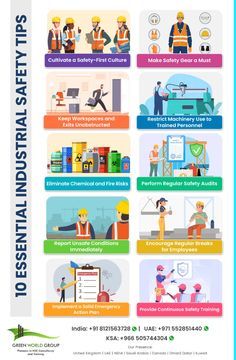
- Improved safety and compliance: High-quality components reduce the risk of accidents and regulatory violations.
Organizations that prioritize component quality often report measurable improvements in equipment reliability, customer satisfaction, and operational efficiency.
Best Practices for Sourcing High-Quality Components
To fully realize the reliability benefits of high-quality components, organizations should adopt disciplined sourcing practices:
Conclusion
High-quality components are the bedrock of equipment reliability. Through superior materials, tighter tolerances, rigorous testing, and consistent performance, they reduce failure rates, extend operational lifespans, and lower total cost of ownership. For organizations that depend on equipment uptime and performance, investing in quality components is not merely a procurement decision—it is a strategic imperative that safeguards productivity, safety, and long-term profitability.