
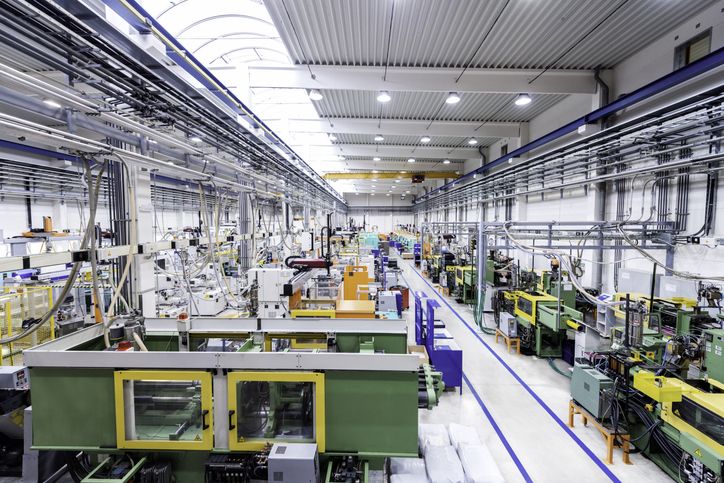
Modern manufacturing is a symphony of precision, speed, and reliability. Behind every finished product lies an intricate ecosystem of machinery and equipment, each component engineered to perform a specific function with uncompromising accuracy. Whether you operate a small-batch fabrication shop or a large-scale production facility, understanding the essential industrial equipment that drives contemporary manufacturing is fundamental to optimizing output, controlling costs, and maintaining a competitive edge. This article examines the core categories of industrial equipment that define today’s manufacturing landscape.
Machine Tools and Fabrication Equipment
At the heart of virtually every manufacturing operation lies the machine tool. These devices shape, cut, and form raw materials into components with tolerances measured in micrometers. The evolution from manual lathes to computer numerical control (CNC) systems has transformed what manufacturers can achieve in terms of repeatability and complexity.
CNC Machining Centers
CNC machining centers represent the backbone of precision manufacturing. These computer-controlled systems execute complex milling, turning, and drilling operations with minimal human intervention. Modern five-axis machining centers can produce geometrically intricate parts in a single setup, dramatically reducing lead times and eliminating repositioning errors. Manufacturers investing in CNC technology benefit from consistent part quality, reduced scrap rates, and the ability to rapidly switch between production runs.
Industrial Cutting Systems
Laser cutters, plasma cutters, and waterjet systems have become indispensable for sheet metal and structural fabrication. Each technology offers distinct advantages:
- Laser cutting systems deliver exceptional edge quality and fine detail for thin to medium materials.
- Plasma cutting equipment provides cost-effective throughput for thicker conductive metals.
- Waterjet cutters handle virtually any material—including composites and glass—without heat-affected zones.
Selecting the appropriate cutting technology depends on material type, thickness requirements, and desired surface finish.
Automation and Robotics Systems
Automation has moved from a luxury to a necessity in modern manufacturing. Industrial robots—articulated arms, collaborative robots, and autonomous mobile units—now perform tasks ranging from welding and pick-and-place operations to quality inspection and material transport. The integration of robotics reduces labor costs, improves worker safety in hazardous environments, and enables round-the-clock production.
Collaborative robots, or cobots, have democratized automation for smaller manufacturers. These systems are designed to operate safely alongside human workers without extensive guarding, making them accessible to facilities that previously could not justify large-scale robotic investments.
Material Handling Equipment
Efficient material flow is critical to manufacturing productivity. Idle time caused by poor material handling can erode margins and disrupt production schedules. Essential material handling equipment includes:
Investing in integrated material handling solutions minimizes bottlenecks and supports lean manufacturing principles.
Quality Control and Inspection Equipment
Quality assurance equipment safeguards product integrity and regulatory compliance. Coordinate measuring machines (CMMs), vision inspection systems, and non-destructive testing devices allow manufacturers to verify dimensions, detect defects, and document conformance in real time. Inline inspection systems integrated directly into production lines enable immediate corrective action, reducing waste and preventing defective products from reaching customers.
Comparison of Key Equipment Categories
| CNC Machining Centers | Precision cutting and shaping | Aerospace, automotive, medical devices | High accuracy, repeatability |
| Industrial Robots | Automated assembly and processing | Welding, palletizing, inspection | Consistency, 24/7 operation |
| Material Handling Systems | Movement and storage of goods | Warehousing, production lines | Reduced idle time, safety |
| Inspection Equipment | Quality verification | Dimensional checks, defect detection | Compliance, waste reduction |
Conclusion
The industrial equipment underpinning modern manufacturing is diverse, sophisticated, and continually evolving. From CNC machining centers and robotic automation to material handling systems and precision inspection tools, each category plays a vital role in delivering products that meet exacting standards. Manufacturers who strategically invest in and maintain this essential equipment position themselves to achieve greater efficiency, superior quality, and sustained growth in an increasingly competitive global marketplace.