
Purchasing industrial machinery is one of the most consequential capital decisions a manufacturing or production operation will make. Unlike consumer equipment, industrial machines are expected to deliver reliable performance for a decade or more, often under continuous duty cycles and demanding environmental conditions. A poorly informed purchase can tie up capital, disrupt production schedules, and create years of maintenance headaches. Conversely, a well-researched acquisition can elevate throughput, reduce operating costs, and provide a durable competitive advantage. This guide outlines the essential factors that should inform every industrial machinery buying decision.
Define Your Operational Requirements First
Before evaluating any specific machine or vendor, establish a precise picture of what the equipment must accomplish. Requirements should be documented in measurable terms rather than general aspirations.
- Throughput and capacity: Specify required output per hour, shift, or production cycle, and account for expected growth over the machine’s service life.
- Product specifications: Document tolerances, material types, dimensions, and finish requirements the machine must handle.
- Integration needs: Identify how the equipment will connect with existing lines, control systems, and material handling infrastructure.
- Physical constraints: Confirm floor space, ceiling height, power availability, and utility requirements at the installation site.
A clear requirements document serves two purposes: it focuses your search and gives vendors the information they need to propose suitable solutions rather than generic offerings.
Total Cost of Ownership vs. Purchase Price
The sticker price is only the beginning of the financial picture. Industrial machinery carries significant costs across its lifecycle, and a lower purchase price frequently masks higher long-term expenses. Evaluate each candidate on total cost of ownership (TCO), which includes installation, training, energy consumption, consumables, scheduled maintenance, spare parts, and eventual disposal or resale value.
| Acquisition | Purchase price, delivery, rigging, and installation |
| Energy | Power draw under typical load, efficiency ratings |
| Maintenance | Service intervals, parts pricing, technician availability |
| Downtime | Expected reliability, mean time between failures, repair turnaround |
| Residual value | Market demand for used units, manufacturer reputation |
A machine that costs twenty percent more upfront but requires half the maintenance and consumes less energy may be the far more economical choice over a ten-year horizon.
Assess Build Quality and Specifications
Industrial environments punish equipment. Vibration, dust, temperature swings, and continuous operation expose weaknesses that light-duty use would never reveal. Examine construction materials, component brands, and engineering tolerances. Where possible, request documentation on duty ratings, expected service life, and testing protocols.
Pay particular attention to the components that drive failure: motors, bearings, hydraulics, and control electronics. A machine built around premium components from established suppliers is generally easier and cheaper to maintain than one relying on proprietary or obscure parts.
Evaluate the Manufacturer and After-Sales Support
The machine is only half the purchase; the other half is the relationship with the manufacturer. After-sales support determines how quickly problems become production losses.
Compliance, Safety, and Standards
Industrial machinery must meet applicable safety regulations and industry standards. Verify that equipment carries required certifications and complies with local electrical, mechanical, and emissions requirements. In many jurisdictions, non-compliant machinery exposes the buyer to liability, insurance complications, and potential shutdowns. Safety features such as guarding, emergency stops, and interlocks should be evaluated against your own risk assessments, not merely accepted at face value.
Automation, Controls, and Future-Proofing
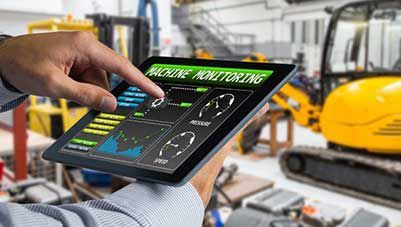
Modern industrial machinery increasingly relies on digital controls, data connectivity, and integration with manufacturing execution systems. Consider whether the control platform is current, whether the manufacturer supports remote diagnostics, and whether the equipment can accommodate future upgrades. A machine that cannot communicate with your production software today may become an isolated bottleneck tomorrow.
Financing and Contract Terms
Industrial equipment purchases involve substantial capital, and the terms of the transaction matter as much as the hardware. Compare financing options, leasing arrangements, and payment schedules. Scrutinize delivery timelines, installation responsibilities, acceptance testing criteria, and remedies for delays or performance shortfalls. Clear contractual terms protect both parties and set expectations before the machine ever arrives on site.
Conclusion
Buying industrial machinery is a strategic decision, not a transactional one. Organizations that succeed approach it methodically: defining requirements precisely, calculating total cost of ownership honestly, scrutinizing build quality and vendor support, verifying compliance, and negotiating clear terms. Taking the time to evaluate each of these dimensions before committing capital dramatically improves the odds that the equipment delivers the productivity and reliability the business case promised.