

Manufacturing has always been an industry defined by precision, process, and productivity. Yet the forces reshaping it today are unlike anything seen since the assembly line. Digital transformation—the integration of connected technologies, data analytics, and intelligent automation into every facet of operations—is fundamentally rewriting how products are designed, built, and delivered. For manufacturers, this is not a distant futurist scenario. It is an operational imperative with measurable consequences for cost, quality, and competitiveness.
The Shift From Automation to Intelligence
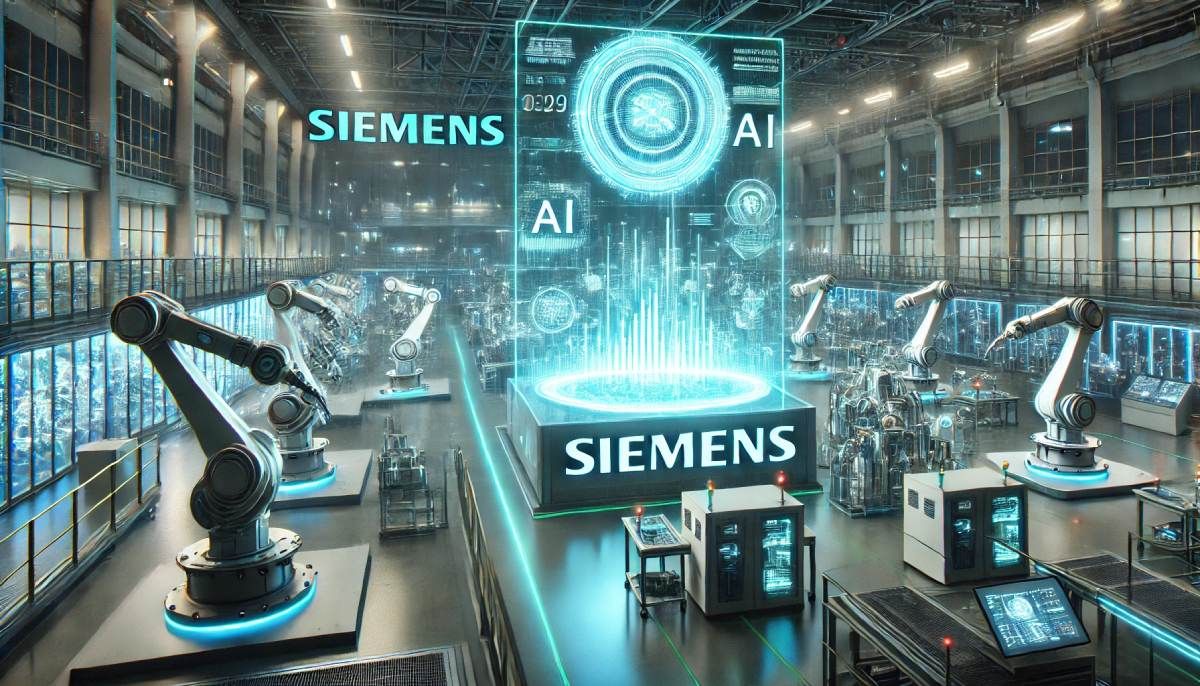
Traditional automation focused on doing repetitive tasks faster and more consistently. Digital transformation goes further: it equips systems with the ability to sense, learn, and adapt. Smart factories now combine industrial IoT sensors, edge computing, and machine learning to monitor equipment in real time and adjust processes on the fly.
The distinction matters. Automation replaces human effort; intelligence augments human judgment. A production line that can detect a subtle vibration anomaly and schedule its own maintenance before a failure occurs is not merely automated—it is transformed.
Core Technologies Driving the Change
Several technology pillars underpin the manufacturing transformation. Understanding how they interact is essential for any organization charting a digital roadmap.
- Industrial IoT (IIoT): Networked sensors capture granular data on temperature, pressure, throughput, and equipment health across the plant floor.
- AI and machine learning: Algorithms turn raw data into predictive insights, from demand forecasting to quality defect detection.
- Digital twins: Virtual replicas of products and production systems allow engineers to simulate changes before committing capital.
- Additive manufacturing: Industrial 3D printing enables rapid prototyping and small-batch production of complex components.
- Cloud and edge computing: Distributed processing supports real-time decision-making while centralizing data for enterprise-wide analysis.
- Collaborative robotics: Cobots work safely alongside human operators, handling ergonomically demanding or highly repetitive tasks.
Predictive Maintenance and the End of Unplanned Downtime
Unplanned downtime remains one of the most expensive problems in manufacturing. Digital transformation attacks it directly. By continuously analyzing sensor data, predictive maintenance models identify the early signatures of equipment wear and trigger service before a breakdown occurs.
The results are compelling: reduced maintenance costs, extended asset lifespans, and greater schedule reliability. Maintenance shifts from a reactive cost center to a strategic function driven by evidence rather than calendar intervals.
Redefining Quality Control
Computer vision systems now inspect products at speeds and tolerances beyond human capability. Machine learning models trained on thousands of images can detect microscopic defects, classify them, and feed results back into the process for immediate correction.
This closed-loop approach to quality moves manufacturers from inspection after the fact to prevention in real time. Scrap rates fall, warranty claims decline, and traceability improves—critical advantages in regulated industries such as aerospace, medical devices, and automotive.
Supply Chain Visibility and Resilience
The disruptions of recent years exposed the fragility of linear supply chains. Digital transformation introduces the visibility needed to respond. Connected platforms aggregate data from suppliers, logistics providers, and production facilities, creating a shared operational picture.
With this transparency, manufacturers can anticipate shortages, reroute shipments, and rebalance production across sites. Digital threads—end-to-end records linking raw materials to finished goods—also support compliance and sustainability reporting with verifiable data.
The Workforce Transformation
Digital transformation does not eliminate the manufacturing workforce; it redefines it. Routine manual tasks increasingly fall to machines, while demand rises for technicians who can interpret data, program robotic systems, and manage digital workflows.
Successful manufacturers invest in reskilling programs and pair new technology with clear human oversight. The most effective implementations treat operators as co-designers of digital processes, drawing on frontline expertise to ensure tools solve real problems.
Challenges on the Road to Digital Maturity
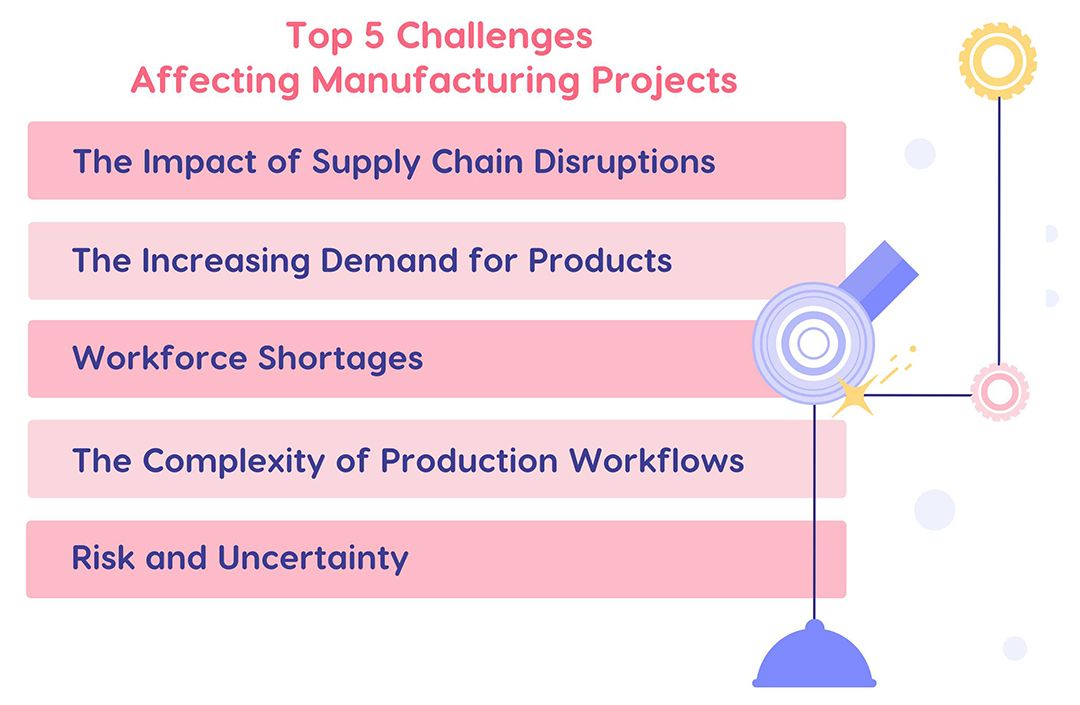
The path is rarely frictionless. Common obstacles include:
Organizations that succeed treat transformation as a sustained program—governed, measured, and iterated—rather than a one-time technology purchase.
Measuring the Impact
Quantifying outcomes keeps transformation accountable. The table below summarizes the tangible benefits manufacturers commonly report as they mature digitally.
| Maintenance | Predictive analytics | Fewer breakdowns and lower service costs |
| Quality | AI-driven visual inspection | Reduced defects and scrap |
| Production | Digital twins and simulation | Faster changeovers and optimized layouts |
| Supply chain | Connected data platforms | Improved resilience and responsiveness |
| Workforce | Cobots and digital workflows | Higher productivity and safer conditions |
Conclusion: A Competitive Necessity
Digital transformation is no longer a differentiator reserved for early adopters. It is becoming the baseline for manufacturers that intend to compete on speed, quality, and resilience. The technologies are proven; the barriers are organizational as much as technical.
Manufacturers that approach transformation strategically—starting with clear business objectives, modernizing infrastructure incrementally, and investing in their people—will convert digital capability into durable competitive advantage. Those that wait risk discovering that the factory floor has already moved on without them.