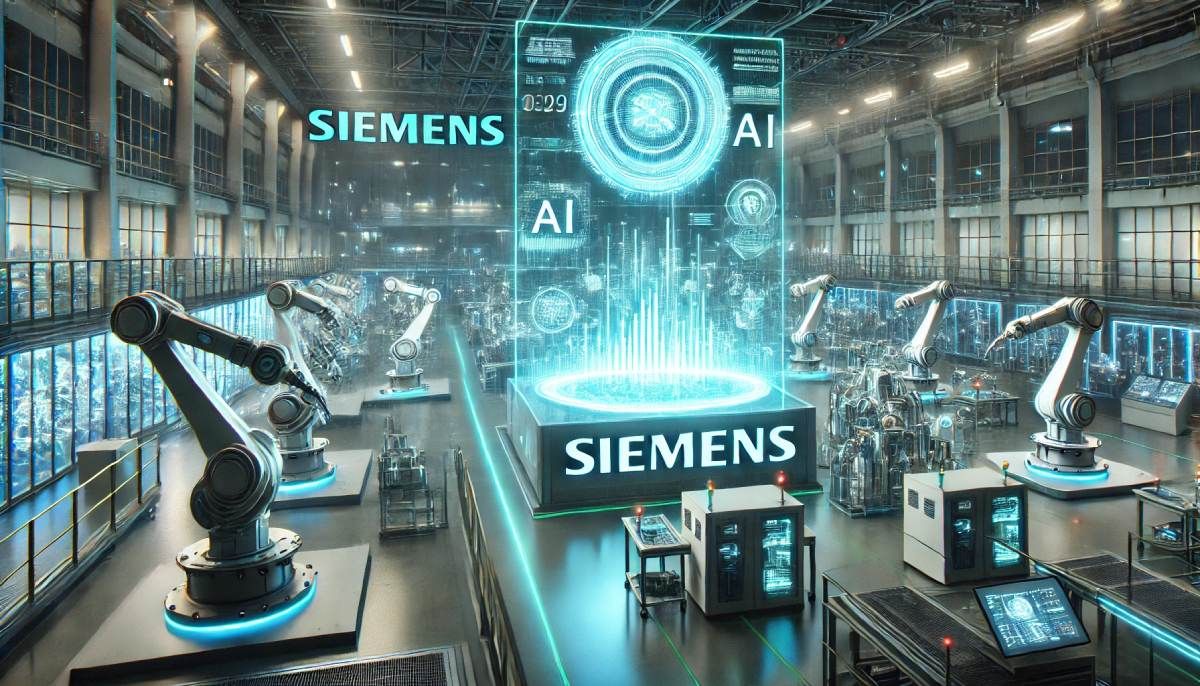


Industrial robotics has moved decisively from the periphery of manufacturing to its core. What began as a niche automation tool for high-volume assembly lines is now a foundational technology underpinning productivity, quality, and resilience across sectors as diverse as automotive, electronics, pharmaceuticals, food processing, and logistics. For operations leaders evaluating where to invest next, the case for robotics rests on a set of concrete, measurable benefits that compound over time.
Unmatched Consistency and Quality Control
Human operators bring judgment and adaptability, but they also bring variability. Robotics eliminates that variability at the point of execution. A robotic arm programmed to weld, dispense adhesive, or place components performs the identical motion thousands of times per shift with tolerances measured in fractions of a millimeter.
The result is a dramatic reduction in defects, rework, and scrap. In regulated industries—medical devices, aerospace, pharmaceuticals—this consistency is not merely a cost advantage but a compliance requirement. Robotic systems also integrate seamlessly with machine vision and sensor arrays, enabling in-line inspection at production speed, catching deviations before they propagate downstream.
Productivity Gains That Scale
Robots do not fatigue, take breaks, or experience the performance dip that accompanies the end of a long shift. They run at consistent cycle times around the clock, and when demand spikes, they scale without the lead time required to recruit and train additional staff.
- Higher throughput: Continuous operation across multiple shifts maximizes asset utilization.
- Predictable cycle times: Production planning becomes more accurate and scheduling more reliable.
- Rapid changeover: Modern robots with quick-change tooling and reprogrammable routines adapt to new product variants in minutes rather than days.
For many operations, the productivity uplift alone justifies the capital expenditure within a defined payback window—frequently under two years for high-utilization applications.
Improved Workplace Safety
Perhaps the most compelling benefit is the one measured in injuries avoided. Industrial environments contain hazards that are simply better handled by machines: extreme heat, toxic chemicals, heavy lifting, repetitive strain, and dangerous machinery. Deploying robotics to these tasks removes workers from harm’s way.
Collaborative robots have extended this safety dividend further, allowing humans and machines to share workspace safely through force-limiting sensors and speed-and-separation monitoring. The outcome is a safer floor, lower workers’ compensation costs, and reduced absenteeism—all of which contribute directly to operational stability.
Cost Optimization Across the Value Chain
Robotics reduces cost in ways that extend well beyond direct labor. Consider the full picture:
| Direct labor | Reduced headcount in repetitive and hazardous roles; staff redeployed to higher-value work |
| Material waste | Lower scrap rates through precise material application and consistent execution |
| Energy | Modern robots are highly efficient; optimized motion reduces consumption |
| Downtime | Predictive maintenance and condition monitoring reduce unplanned stoppages |
| Quality costs | Fewer defects, lower inspection burden, reduced warranty exposure |
When these categories are aggregated, the total cost of ownership for a robotic cell often undercuts the equivalent manual process well before the equipment reaches end of life.
Data, Traceability, and Continuous Improvement
Every modern industrial robot is a data source. Torque, position, cycle time, temperature, and error codes stream continuously from the controller, feeding manufacturing execution systems and analytics platforms. This telemetry enables:
Over time, this data foundation becomes a genuine competitive asset, informing decisions across engineering, quality, and supply chain functions.
Resilience and Supply Chain Agility
Recent years have demonstrated how quickly labor availability, demand patterns, and supply chains can shift. Automation provides a buffer against that volatility. Operations with robotic capacity can absorb demand surges, maintain output during labor shortages, and reshore production competitively when offshore economics change.
Flexible robotic systems—particularly those supporting rapid reprogramming and mobile deployment—allow manufacturers to reconfigure lines for new products without wholesale retooling, shortening time-to-market and reducing the risk of capital stranded in inflexible equipment.
Addressing the Common Objections
The most frequent concern is workforce displacement. In practice, the picture is more nuanced. Robotics typically automates specific tasks rather than entire roles, and the growing maintenance, programming, and integration demand creates new categories of skilled employment. Organizations that invest in reskilling—moving operators into technician, supervisory, and quality roles—consistently report stronger outcomes than those that treat automation as a pure headcount play.
A second objection is upfront cost. Here, leasing models, robotics-as-a-service arrangements, and modular cell designs have lowered the barrier to entry considerably, allowing smaller operations to adopt automation incrementally.
Conclusion
Robotics in industrial operations delivers benefits that are measurable, compounding, and increasingly accessible. Higher quality, greater throughput, safer workplaces, lower total cost, richer operational data, and improved resilience together represent a strategic advantage—not merely a tactical efficiency. For operations leaders charting the next decade of investment, robotics is less a question of whether to adopt and more a question of where to deploy first.