
In an era defined by rapid technological advancement, the debate between industrial automation and manual labor remains a critical consideration for manufacturers, production managers, and business owners. While the image of the factory floor has shifted dramatically over the last century, the decision to invest in industrial machinery versus maintaining manual processes is not always black and white. It requires a nuanced understanding of operational requirements, financial capabilities, and long-term strategic goals.
This article explores the key differences between these two approaches, analyzing efficiency, cost, quality, and scalability to help you determine the optimal path for your production environment.
1. Operational Efficiency and Speed
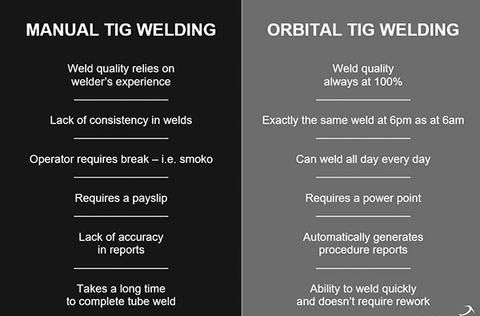
The most immediate and observable difference between industrial machines and manual processes is the rate of output. Industrial machinery is engineered for continuous operation and high-volume throughput. Unlike human workers, machines do not require breaks, do not suffer from fatigue, and can maintain peak performance over extended shifts.
Manual Processes
Manual processes rely on human dexterity and energy. While skilled workers can perform complex tasks with high precision, their output is inherently limited by physical endurance. In a manual setup, variability in speed is common; production slows down toward the end of a shift, and repetitive strain injuries can further impede workflow.
Industrial Machines
Automated systems excel in consistency and speed. A single industrial machine can often outperform a team of manual workers, particularly in tasks requiring repetitive motion or heavy lifting. This leads to significantly shorter lead times and the ability to meet tight deadlines with greater reliability.
2. Cost Implications: Capital vs. Labor
Financial modeling is central to the decision-making process. The cost structures of manual versus automated processes are fundamentally different, shifting from variable costs to fixed costs.
- Manual Processes: These are characterized by high variable costs. You pay for labor by the hour or unit. While the initial investment is low, the long-term operational expenditure (OPEX) scales linearly with production volume. Additionally, costs related to recruitment, training, benefits, and turnover can accumulate significantly.
- Industrial Machines: Automation requires a high capital expenditure (CAPEX) upfront. However, the cost per unit drops as production volume increases. While maintenance and energy costs exist, they are generally more predictable and lower than ongoing labor costs over a multi-year horizon.
Businesses must calculate the Return on Investment (ROI) carefully. For low-volume production, manual labor is often more cost-effective. For high-volume, continuous production, industrial machines offer the lowest cost per unit.
3. Quality Control and Consistency
Consistency is the hallmark of modern manufacturing. Industrial machines are programmed to perform specific tasks with micron-level accuracy every single time. This eliminates the “human error” factor that leads to defects, waste, and rework.
Manual processes, by contrast, are subject to human variability. Factors such as fatigue, distraction, or differences in individual technique can result in inconsistent product quality. While skilled artisans can produce high-quality goods, achieving zero-defect production at scale is nearly impossible without the intervention of automation.
4. Scalability and Flexibility
Scaling a business requires a production system that can grow with demand. Here, the two approaches diverge significantly in their strengths.
| Scalability | Scales by hiring more staff (slow and costly). | Scales by increasing machine speed or adding shifts (rapid). |
| Flexibility | High. Easily adapt to design changes. | Low. Requires reprogramming or retooling for changes. |
| Setup Time | Immediate. Minimal setup required. | Extended. Requires installation and calibration. |
Industrial machines are ideal for mass production where the product design is stable. Conversely, manual processes offer superior flexibility for custom, bespoke, or low-volume production where design changes are frequent.
5. Safety and Working Conditions
Safety is a paramount concern in any industrial setting. Manual processes often expose workers to ergonomic risks, heavy lifting, and hazardous environments. While safety protocols can mitigate these risks, the potential for human injury remains.
Industrial machines can take over the “3 Ds”—Dull, Dirty, and Dangerous—tasks. By automating these processes, companies can create a safer work environment. However, it is important to note that industrial machinery introduces new safety requirements, such as machine guarding and lockout/tagout procedures, to protect workers from mechanical hazards.
6. The Human Element and Skill Requirements
Finally, the shift to industrial machines changes the nature of the workforce. Manual processes rely on skilled labor and craftsmanship. There is often a sense of ownership and adaptability that is difficult to replicate with machines.
Industrial machines require a different skill set. The workforce must transition from manual laborers to machine operators, technicians, and programmers. This creates a demand for technical literacy and STEM skills. Companies must invest in training to bridge this gap, ensuring that the transition to automation does not leave the existing workforce behind.
Conclusion
There is no universal “best” approach; the optimal choice depends on your specific business model. If your goal is high-volume, consistent production with long-term cost efficiency, industrial machines are the clear winner. If you require flexibility, customization, and have lower production volumes, manual processes may remain more viable.
The most successful modern operations often employ a hybrid approach, utilizing industrial automation for repetitive, high-precision tasks while leveraging human labor for oversight, quality assurance, and complex assembly. By understanding the key differences outlined above, you can make an informed decision that balances efficiency, quality, and cost.