

In the high-stakes environment of modern industry, operational efficiency is not a luxury—it is a requirement. From automotive assembly lines to heavy construction sites, the tools selected to perform critical tasks directly influence productivity, safety, and the bottom line. Among the most reliable and versatile assets in the industrial toolkit are pneumatic tools. Powered by compressed air rather than electricity, these devices have earned a permanent place on factory floors and job sites worldwide. Understanding how pneumatic tools support industrial operations reveals why they remain indispensable in an increasingly electrified world.
What Are Pneumatic Tools?
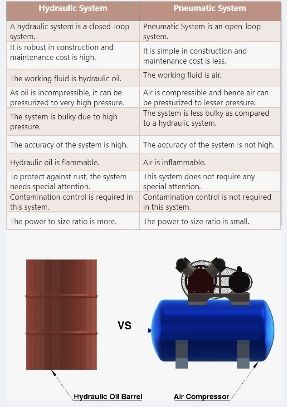
Pneumatic tools are mechanical devices that convert the energy of compressed air into kinetic motion. An air compressor supplies pressurized air through a hose to the tool, where it drives internal components such as pistons, rotors, or vanes. Common examples include impact wrenches, air hammers, drills, grinders, sanders, nail guns, and riveters. Because the power source is air rather than electricity, these tools operate with a distinctive combination of power, precision, and durability that suits demanding industrial environments.
Key Advantages of Pneumatic Tools in Industrial Settings
Superior Power-to-Weight Ratio
Pneumatic tools deliver exceptional torque and force relative to their size. An air impact wrench, for instance, can generate far more power than a comparable electric model while weighing significantly less. This advantage reduces operator fatigue during long shifts and improves control during high-torque applications such as lug nut removal or heavy fastener installation.
Durability and Long Service Life
Electric motors are vulnerable to dust, moisture, and heat—conditions common in foundries, mines, and construction sites. Pneumatic tools contain no electrical components, making them far more resistant to environmental hazards. With proper lubrication and maintenance, air tools can operate for years, often outlasting their electric counterparts and reducing replacement costs.
Enhanced Safety in Hazardous Environments
In facilities where flammable gases, vapors, or dust are present, electric tools pose a spark risk. Pneumatic tools eliminate this danger entirely, making them the preferred choice in chemical plants, oil refineries, and grain processing facilities. Their spark-free operation supports compliance with strict industrial safety regulations.
Consistent Performance Under Continuous Use
Electric tools frequently overheat during extended duty cycles, requiring cooldown periods that slow production. Pneumatic tools are engineered for continuous operation. As long as the air supply remains steady, they deliver consistent performance throughout the shift—an essential quality for high-volume manufacturing lines.
Where Pneumatic Tools Drive Industrial Productivity
The applications of pneumatic technology span nearly every industrial sector. The table below summarizes key use cases:
| Automotive Assembly | Impact wrenches, ratchets, drills | Rapid, repeatable fastening on production lines |
| Construction | Jackhammers, nail guns, concrete vibrators | High-impact force with reduced operator strain |
| Metal Fabrication | Grinders, die grinders, sanders | Consistent surface finishing and material removal |
| Aerospace | Riveters, drills, torque-controlled tools | Precision assembly with verifiable torque accuracy |
| Woodworking | Staplers, nailers, sanders | Fast, uniform fastening at scale |
Operational Efficiency and Cost Savings
Pneumatic tools contribute to lean manufacturing principles in several measurable ways. Their lightweight construction improves ergonomics, reducing repetitive strain injuries and associated workers’ compensation costs. Their durability lowers capital expenditure over time. Additionally, many air tools are simpler in design than electric alternatives, meaning repairs are faster and less expensive. When integrated with a well-maintained compressed air system, pneumatic tools offer one of the lowest total costs of ownership in the industrial tool market.
Maintenance and Best Practices
To maximize the benefits of pneumatic tools, organizations should adopt a structured maintenance approach:
- Lubricate regularly. Air tools require consistent lubrication to minimize internal wear.
- Manage air quality. Filters and dryers should remove moisture and particulates before air reaches the tool.
- Inspect hoses and fittings. Leaks waste energy and reduce tool performance.
- Follow manufacturer torque specifications. Prevent over-tightening and equipment damage.
- Train operators. Proper handling extends tool life and improves safety outcomes.
The Future of Pneumatic Tools in Industry
As Industry 4.0 continues to reshape manufacturing, pneumatic tools are evolving alongside it. Smart air tools now incorporate sensors that monitor torque, usage cycles, and maintenance needs, feeding data into centralized asset management platforms. These connected devices enable predictive maintenance, reduce unplanned downtime, and support data-driven decisions on the factory floor. Far from becoming obsolete, pneumatic technology is integrating with digital systems to deliver even greater operational value.
Conclusion
Pneumatic tools remain a cornerstone of industrial operations for compelling reasons: they are powerful, durable, safe, and cost-effective. From the assembly line to the construction site, they enable faster work cycles, safer environments, and lower long-term costs. For industrial leaders seeking to optimize productivity and reliability, investing in high-quality pneumatic tools—and maintaining them properly—is a proven strategy. In an era defined by efficiency, compressed air continues to power progress.