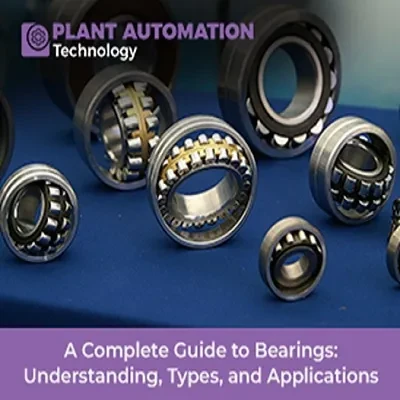


Industrial components are the building blocks of every reliable machine, production line, and automated system. A single mismatched relay, undersized bearing, or incorrectly rated sensor can cascade into unplanned downtime, safety incidents, and costly rework. Choosing the right components is therefore not a purchasing formality—it is an engineering decision with long-term operational consequences.
This guide outlines a structured approach to component selection, covering the technical, environmental, and commercial factors that separate a dependable system from a fragile one.
Start With a Clear Requirements Definition
Component selection begins long before a catalog is opened. The most common source of selection errors is an incomplete understanding of what the system must actually do. Before evaluating any product, document the operating envelope in precise terms.
- Electrical parameters: voltage range, current draw, frequency, signal type (analog, digital, protocol), and isolation requirements.
- Mechanical parameters: load capacity, torque, speed, duty cycle, mounting orientation, and available envelope dimensions.
- Environmental conditions: ambient temperature range, humidity, vibration, dust, washdown exposure, and corrosive atmospheres.
- Regulatory constraints: required certifications such as UL, CE, ATEX, IECEx, or IP ratings mandated by the installation site.
- Lifecycle expectations: required service life, maintenance intervals, and acceptable failure modes.
A written specification—even a short one—forces clarity and gives vendors the information they need to propose suitable options rather than generic catalog items.
Evaluate Environmental and Operating Conditions
Industrial environments are hostile by design. Components that perform flawlessly on a bench may fail within months on a factory floor. Pay close attention to derating curves: a component rated for a nominal load at 25°C may lose substantial capacity at 60°C. Verify ingress protection ratings against actual exposure—IP65 is adequate for dust and splashing but not for continuous washdown, which typically requires IP66 or IP67 enclosures.
Where vibration is present, prefer components with mechanical retention features, locking connectors, and documented shock and vibration tolerances. In corrosive or outdoor settings, confirm material compatibility for housings, seals, and fasteners, not just the primary functional element.
Assess Quality, Standards, and Traceability
Certification marks are a starting point, not a guarantee. Review the manufacturer’s quality management systems, test documentation, and batch traceability. For safety-critical applications, request material certificates and test reports where available.
| Certifications | UL, CE, ATEX, IECEx, IP rating | Legal compliance and suitability for the environment |
| Quality system | ISO 9001 or equivalent registration | Consistency across production batches |
| Traceability | Batch and lot documentation | Faster root-cause analysis during failures |
| Test data | Type testing and endurance reports | Confidence in stated performance limits |
Consider Total Cost of Ownership, Not Unit Price
The cheapest component is rarely the least expensive one. Total cost of ownership includes acquisition cost, installation labor, energy consumption, maintenance burden, spare parts inventory, and the cost of downtime when a part fails prematurely.
Verify Supplier Reliability and Support
Even an excellent component can become a liability if the supplier cannot deliver it consistently or support it after the sale. Evaluate the supplier’s stock availability, regional distribution, technical documentation quality, and responsiveness to engineering questions. For critical systems, confirm that replacement units or drop-in equivalents will remain available for the expected service life of the equipment.
Prototype, Test, and Validate
No selection process is complete without validation in the actual application. Test candidate components under representative load, temperature, and duty cycles. Track early-life failures and compare them against the manufacturer’s reliability claims. Where practical, run accelerated life testing on a sample before committing to a full bill of materials.
Build a Repeatable Selection Framework
The most effective way to improve component selection is to make it systematic. A documented checklist, approved vendor list, and design review gate for critical components will reduce variability across projects and teams. Capture lessons learned from field failures and feed them back into the specification template, so each project starts from a stronger baseline than the last.
Choosing the right industrial components is ultimately an exercise in disciplined engineering: define the requirement precisely, verify performance against real conditions, and weigh cost across the full lifecycle. Teams that treat selection as a structured process consistently achieve higher reliability, lower maintenance costs, and fewer surprises after commissioning.