

Industrial equipment is the backbone of modern manufacturing and production. When a critical machine breaks down, the decision to repair or replace it can significantly impact your bottom line, operational efficiency, and long-term competitiveness. This decision is rarely straightforward, requiring careful analysis of costs, downtime, safety, and strategic priorities. Understanding the key factors involved will help you make an informed choice that protects your investment and keeps your operation running smoothly.
Why the Repair-or-Replace Decision Matters
Every hour of unplanned downtime can cost a manufacturing facility tens of thousands of dollars. Beyond immediate production losses, the wrong decision can lead to recurring failures, escalating maintenance costs, safety risks, and premature capital expenditures. Conversely, replacing equipment too hastily can waste valuable assets that still have years of productive life remaining. A disciplined, data-driven approach is essential for striking the right balance.
Key Factors to Evaluate Before Deciding
Age and Remaining Useful Life
Age alone is not a definitive indicator of equipment health, but it provides important context. Equipment that has operated well past its expected service life and is now experiencing frequent failures may be a candidate for replacement. However, well-maintained machines can often deliver reliable performance well beyond their nominal lifespan. Review maintenance logs and failure history to gauge whether the asset still has meaningful useful life remaining.
Cost of Repair Versus Cost of Replacement
A common industry benchmark is that if a single repair costs more than 50 percent of the price of a new unit, replacement deserves serious consideration. This threshold should be adjusted based on the equipment’s age and condition. Consider both direct costs—parts and labor—and indirect costs such as extended downtime, expedited shipping, and lost productivity.
Frequency of Breakdowns
One major repair is manageable. A pattern of recurring failures is a warning sign. If the same component fails repeatedly or if unplanned stoppages are becoming routine, the equipment is likely telling you that repair is no longer a sustainable strategy. Track mean time between failures (MTBF) to quantify reliability trends over time.
Availability of Parts and Support
Older equipment often faces dwindling parts availability, lengthy lead times, and reduced manufacturer support. Obsolete control systems and proprietary components can make repairs expensive and slow. If sourcing spares has become a chronic challenge, replacement with modern, well-supported equipment may be the more practical path.
Energy Efficiency and Operating Costs
Older machines frequently consume significantly more energy than modern equivalents. Upgrading to energy-efficient equipment can reduce operating costs substantially, sometimes offsetting a portion of the purchase price within a few years. Factor utility savings, consumable usage, and labor requirements into the total cost of ownership comparison.
Safety and Compliance
Safety should never be compromised for cost savings. Equipment that poses risks to operators, fails to meet current regulatory standards, or lacks modern safety features should be prioritized for replacement. The potential liability and human cost of an accident far outweigh any savings from extending the life of outdated machinery.
Production Impact and Technological Relevance
If aging equipment cannot meet current quality standards, production speeds, or customer requirements, repair may only delay an inevitable upgrade. Evaluate whether the machine still serves your operational needs or whether newer technology offers capabilities—automation, precision, connectivity—that create competitive advantage.
Common Repair-or-Replace Scenarios
| Minor failure on equipment under five years old | Repair promptly; asset is likely under warranty or early in its lifecycle |
| Repair cost exceeds 50 percent of replacement value | Conduct full cost-benefit analysis; replacement often favored |
| Recurring failures with short MTBF | Replace; reliability has deteriorated beyond economical repair |
| Obsolete parts with long lead times | Replace or plan phased replacement to avoid prolonged downtime |
| Safety or compliance deficiencies | Replace immediately or retrofit to meet standards |
| Well-maintained equipment with strong parts support | Continue repairing; extend life through preventive maintenance |
A Practical Decision Framework
To bring structure to the decision, follow a systematic process:
When Repair Is the Right Choice
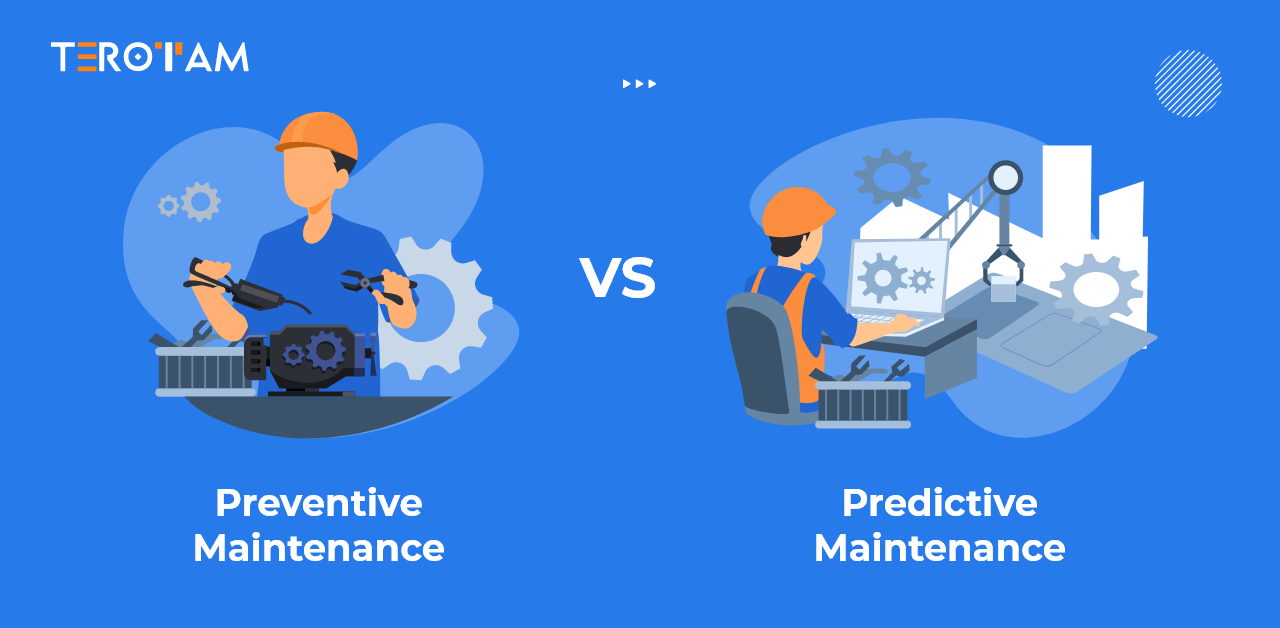
Repair is often the smarter option when the equipment is relatively young, well maintained, and supported by readily available parts. If the failure is isolated, the repair cost is modest, and the machine still meets production and safety requirements, repairing preserves capital and avoids the disruption of installation and retraining. Preventive maintenance programs can further extend the asset’s productive life and reduce the likelihood of future unplanned failures.
When Replacement Is the Right Choice
Replacement becomes compelling when repairs are frequent or costly, parts are scarce, safety or compliance is compromised, and operating costs are rising. Newer equipment typically offers better efficiency, improved reliability, modern controls, and stronger manufacturer support. While the upfront investment is significant, the long-term savings in maintenance, downtime, and energy can more than justify the expenditure.
The Bottom Line
The repair-or-replace decision is fundamentally a question of total cost of ownership and strategic fit. Neither option is inherently correct—the right answer depends on your specific equipment, operating environment, and business priorities. By collecting reliable data, applying a consistent framework, and weighing both financial and operational factors, industrial managers can make confident decisions that maximize uptime and protect long-term value. When in doubt, consult maintenance engineers, equipment manufacturers, and financial advisors to ensure the choice aligns with your broader operational strategy.